
How to Run an Influencer Marketing Campaign for Your SaaS Launch
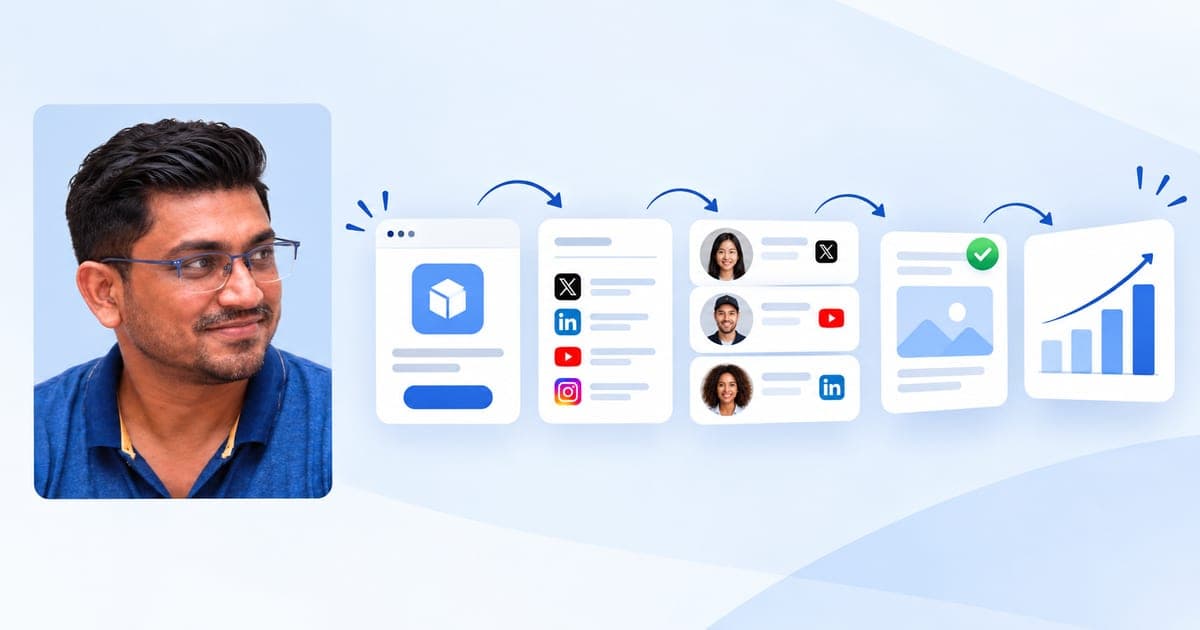
A practical, step-by-step guide to briefing a campaign, matching with real influencers, reviewing deliverables, and tracking results on Amplibee.
The short answer: you run an influencer marketing campaign for a SaaS launch by briefing what you're promoting and your goal, letting AI draft channel-specific talking points from your product profile, matching with real influencers in the network whose niche fits your product, reviewing what they submit as proof before it counts, and tracking results through each influencer's unique link. Amplibee is built around exactly this flow, end to end.
This guide walks through the whole process in order, with the decisions that actually matter at each step — what makes a brief work, how matching actually happens, what to look for when reviewing a deliverable, and how to read the results afterward.
Before you brief anything: get your product profile right
A product profile is the foundation every campaign brief pulls from — your product's voice, audience, and the specific facts that should stay consistent (pricing, user count, what makes it different from the obvious alternative). Get this right once and every campaign after it starts from a stronger place.
The single most common mistake here is describing the product the way you'd describe it to an investor instead of the way a real user would describe it to a friend. "An AI-powered workflow orchestration platform" doesn't give an influencer anything to say. "It replaces the six-tab spreadsheet mess our users were using to track deploys" does.
Action: Write your product profile in the voice of a user explaining it to a friend, not a pitch deck explaining it to an investor.
Step 1: Brief the campaign — what you're promoting and what success means
A campaign starts with two decisions: what you're promoting (the SaaS product itself, a specific feature, or a Product Hunt launch moment) and the goal — sign-ups, awareness, traffic, or downloads if there's a companion app. The goal shapes everything downstream: the angle the AI suggests, which influencers are a good match, and what the tracked links measure.
A launch-day campaign and an ongoing awareness campaign look different even for the same product. Launch day rewards urgency and a specific moment to react to ("we're live on Product Hunt today"); an ongoing campaign rewards a durable angle that doesn't go stale after 48 hours ("here's the actual workflow this replaces").
Action: Pick one primary goal per campaign rather than a vague mix of everything. A campaign optimized for sign-ups reads differently than one optimized for awareness, and mixing goals produces a brief that's mediocre at both.
Step 2: Let AI draft talking points, or write the brief yourself
The campaign brief generator takes your product profile and goal and drafts suggested talking points per channel — a hook-driven angle for X, a longer story-with-context angle for LinkedIn, a demo-shaped outline for YouTube, a visual-first caption idea for Instagram. This is meant to save an influencer the work of figuring out an angle from scratch, not to hand them a script.
If you'd rather skip generation, you can write the brief entirely yourself — the important part is that whatever ends up in front of an influencer gives them something true and specific to react to, not generic marketing copy that could describe any product in the category.
- Good brief material: a specific before/after ("used to take four tools, now takes one"), a real number if you have one, the exact type of user it's built for.
- Bad brief material: adjectives without evidence ("powerful," "seamless," "revolutionary") — influencers can't do anything genuine with these, and their audience can smell them from a distance.
Action: Revise the generated draft directly in the campaign brief generator — tighten the hook, add a concrete number, or shift the tone per channel without losing what's already working.
Step 3: Get matched with real influencers in the network
Once a campaign is live, influencers whose niche matches discover it in the network — a SaaS product for engineering teams surfaces to developer-tools creators, a consumer productivity app surfaces to productivity and self-improvement creators. You can also browse the directory directly and see who's active in your category, their channels, and roughly how large their audience is.
Resist the urge to chase the single largest account available. A mid-sized creator whose audience is precisely your target user typically drives more qualified sign-ups than a much larger account with a loosely related audience — and their post is more likely to read as genuine because the product actually fits what they normally talk about.
Action: Look at niche fit and engagement quality before audience size when deciding which influencers to prioritize for a launch.
Step 4: Review every deliverable before it counts
When an influencer posts, they submit the link as their deliverable. Every deliverable is reviewed before it counts toward your campaign — this is what keeps a campaign's results honest and is a deliberate part of the product, not an afterthought.
When reviewing, look for whether the post genuinely reflects the brief in the influencer's own voice, whether it's actually live and visible (not deleted or set to a limited audience), and whether it reads like something their followers would actually engage with rather than an obvious paid placement with no real opinion attached.
- Deliverable statuses move through: submitted → under review → approved or rejected.
- A rejected deliverable doesn't count toward results — the influencer sees why so they can fix it and resubmit if it's fixable (for example, a link that hadn't gone live yet).
- Approved deliverables roll into your campaign metrics automatically via their tracked link.
Action: Set aside a specific time within 24–48 hours of a deliverable being submitted to review it — fast review keeps the campaign moving and gives influencers quick feedback while their post is still fresh.
Step 5: Track results through tracked links
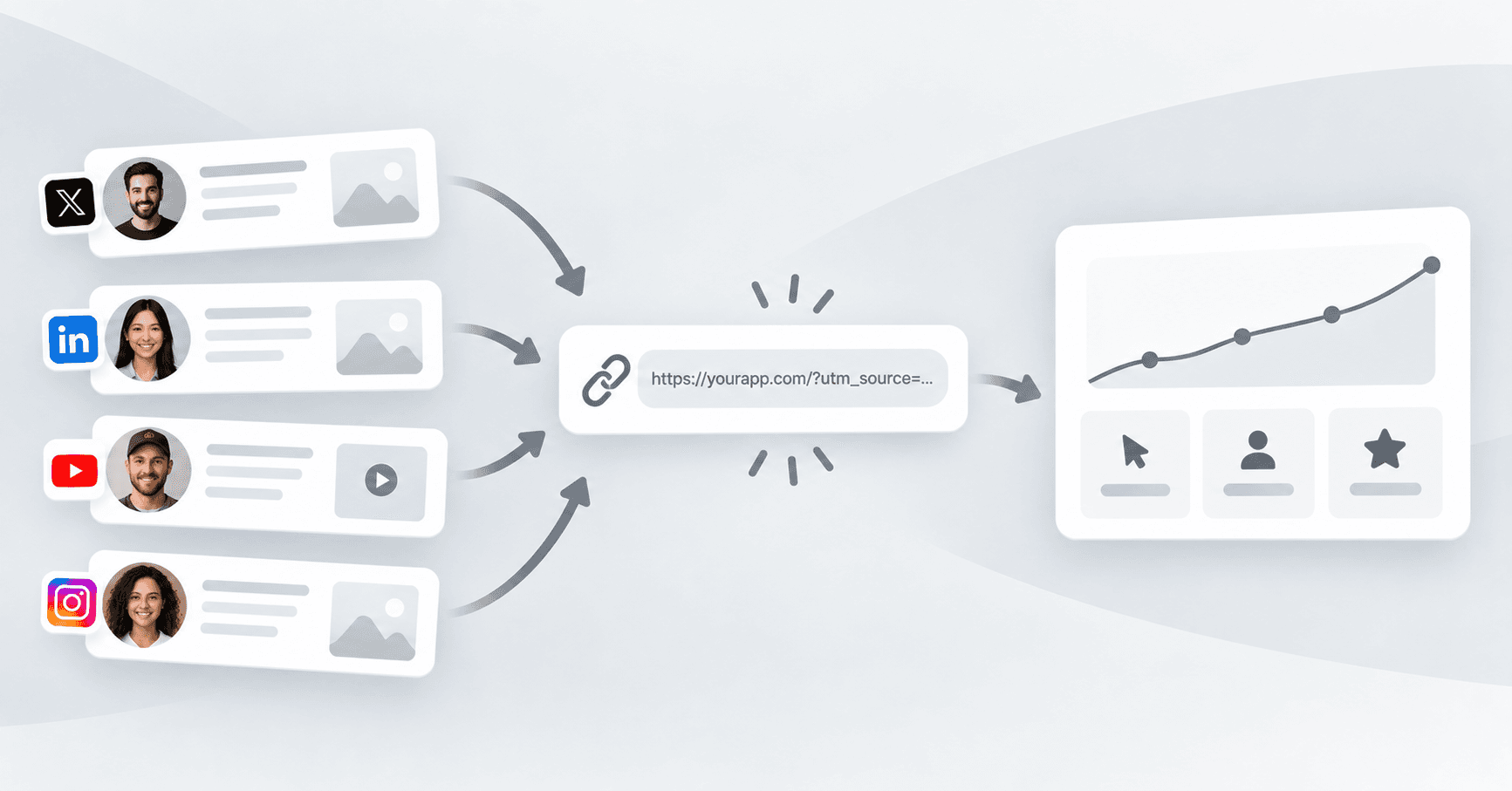
Every influencer's deliverable is tied to a tracked link with UTM parameters, so you see exactly what each individual post drove — clicks, sign-ups, or whatever your campaign's goal is measuring. This is the data that tells you which creators, channels, and angles are actually working, instead of one undifferentiated campaign-wide number.
| Phase | What happens | Typical duration |
|---|---|---|
| Setup | Product profile written, campaign briefed, AI drafts talking points | 1–2 days |
| Matching | Network influencers discover and apply to the campaign | 3–7 days |
| Posting | Influencers adapt the brief and post to their audience | 1–2 weeks |
| Review | Each deliverable submitted and reviewed before counting | Ongoing, within 24–48h per submission |
| Tracking | Results roll up per influencer via tracked links | Ongoing through and after launch |
Action: After the campaign, compare which influencers' tracked links drove the highest-quality traffic (sign-ups, not just clicks) — that's the list to prioritize inviting back for your next release.
Combining this with your Product Hunt launch day
A SaaS launch campaign pairs naturally with a Product Hunt launch: brief the campaign with your Product Hunt page as the goal-relevant link, and time the network match so influencer posts land the same day, giving your launch a wave of genuine, independent voices rather than relying only on your own audience and the Product Hunt community itself.
This works because it's additive to good fundamentals, not a substitute for them — the same first-principles most founders already know about getting their first 10 paying customers still apply; influencer marketing widens the number of people who ever hear about the product in the first place.
Get the next post
Tactics like this one, sent when we publish — no spam, unsubscribe anytime.
Frequently asked questions
How long does it take to run an influencer campaign for a SaaS launch?
Setup and briefing typically takes one to two days. Matching with relevant influencers in the network usually takes three to seven days depending on your niche, and posting activity often continues for one to two weeks around a launch, with review happening continuously as deliverables come in.
Do I need a big budget to run a campaign?
No — campaigns can run as product-only or revenue-share arrangements, not just paid sponsorship, and Amplibee's free Starter plan lets you list a product profile and run one active campaign to see how the network responds before committing budget.
How do I pick the right influencers for my SaaS launch?
Prioritize niche fit and audience relevance over raw follower count — a mid-sized creator whose audience is exactly your target user usually drives more qualified sign-ups than a larger, loosely related account, and their post is more likely to read as genuine.
What happens if an influencer's post doesn't reflect my brief well?
Every deliverable is reviewed before it counts toward your campaign. If it doesn't genuinely reflect the brief or isn't live, it can be rejected, and the influencer sees why so they can fix and resubmit if the issue is fixable.
Can I run a campaign alongside a Product Hunt launch?
Yes — brief the campaign with your Product Hunt page as the destination and time the network match so influencer posts land around your launch day, adding independent voices on top of the Product Hunt community itself.
How do I know which influencer actually drove sign-ups?
Each influencer gets a unique tracked link with UTM parameters, so sign-ups, clicks, or downloads attributed to their specific post are visible per-influencer rather than as one combined campaign total.
Related posts
View all posts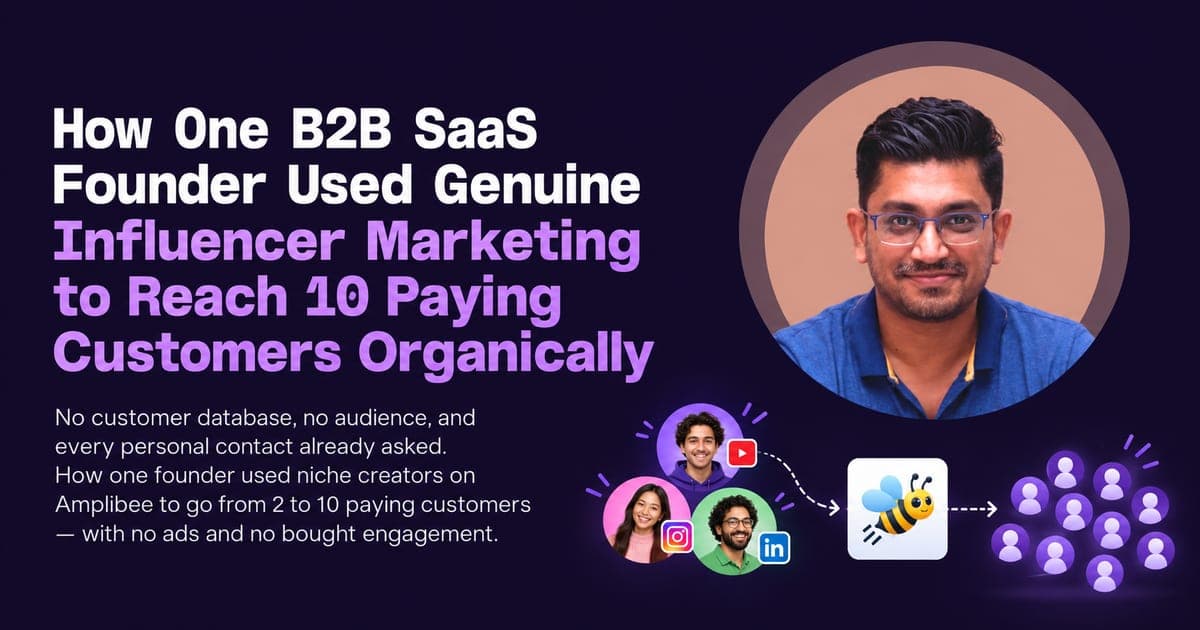
Growth
How One B2B SaaS Founder Used Genuine Influencer Marketing to Reach 10 Paying Customers Organically
No customer database, no audience, and every personal contact already asked. How one founder used niche creators on Amplibee to go from 2 to 10 paying customers — with no ads and no bought engagement.
Marketing
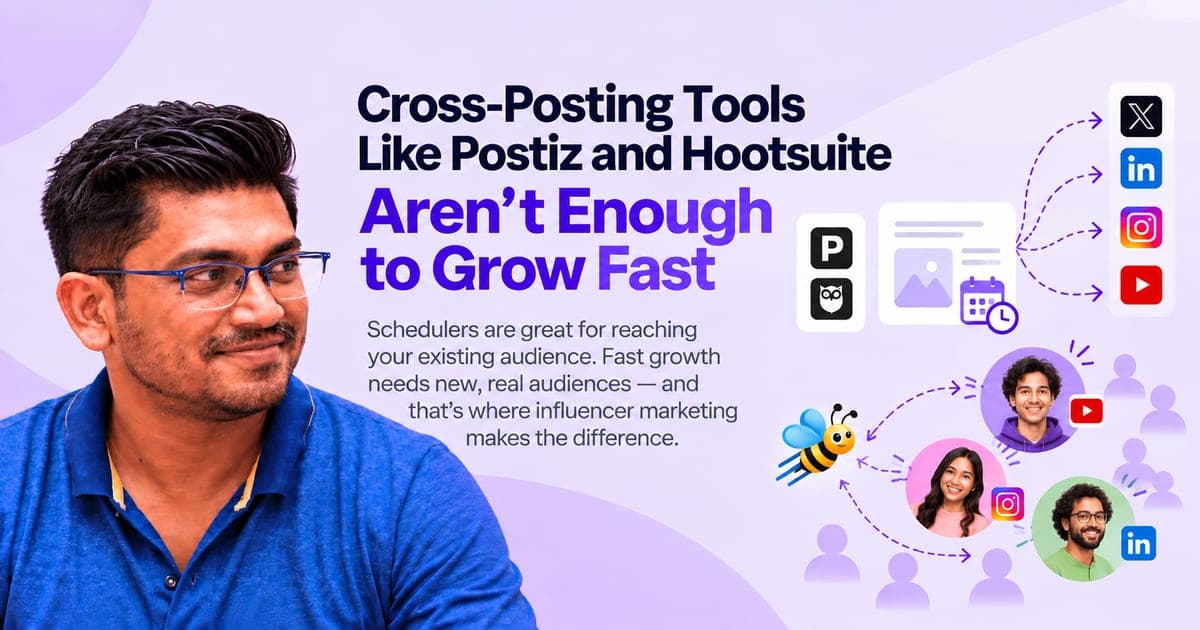
Why Cross-Posting Tools Like Postiz and Hootsuite Aren't Enough to Grow Fast
Schedulers like Postiz and Hootsuite are great at distributing posts to the audience you already have. Fast growth needs new, real audiences — which is where genuine influencer marketing comes in.
Read our features
View all features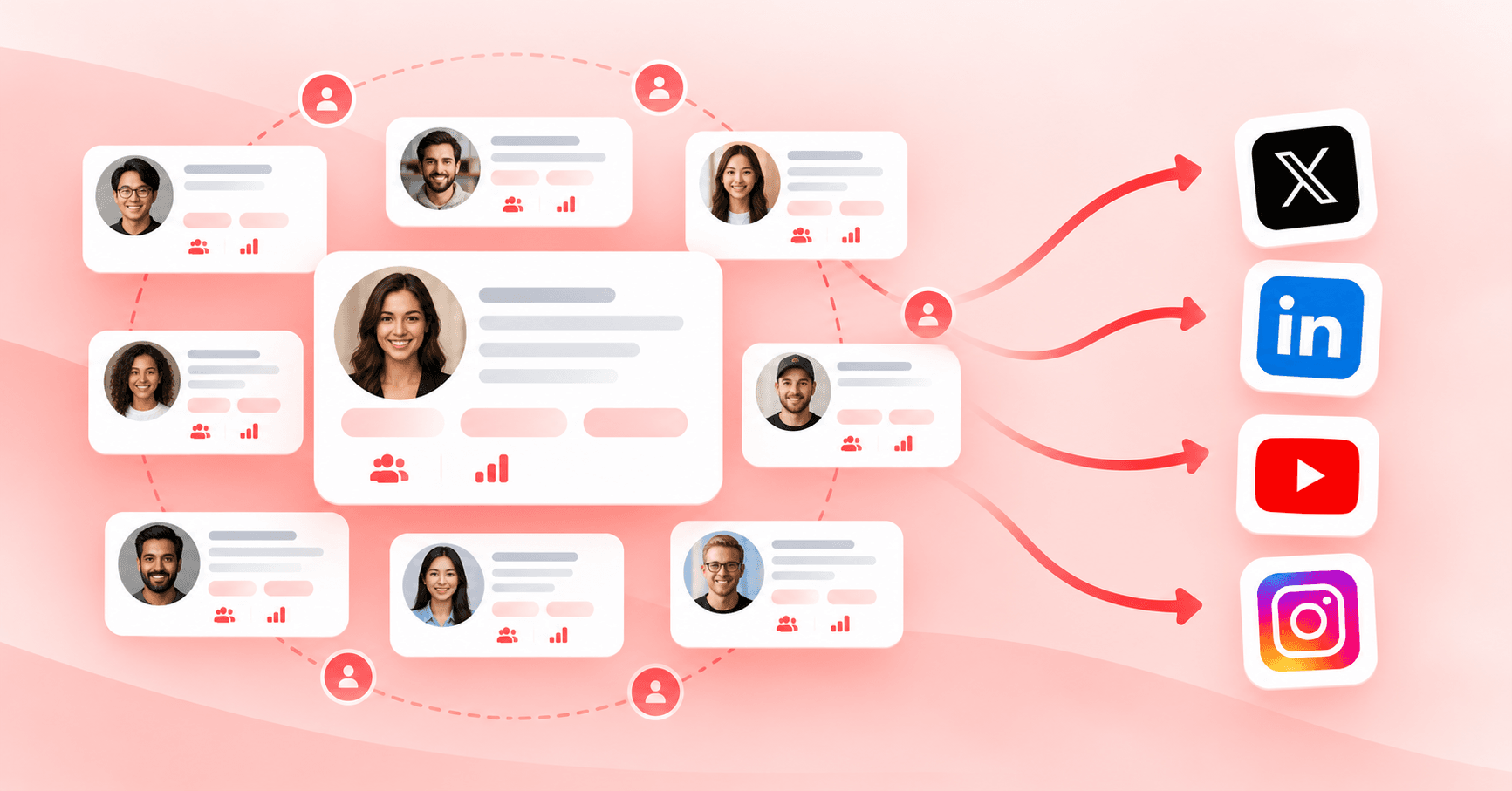
Feature
Influencer network
Browse real influencers and creators on X, LinkedIn, YouTube, and Instagram by niche and audience size. Every profile is opted in and posts to their own genuine audience.
Feature
Tracked campaign links
Every influencer gets a unique tracked link with UTM parameters, so you can see exactly what each deliverable drove — clicks, sign-ups, or stars — instead of guessing which post worked.