

Why we built Amplibee around adapting content per platform instead of duplicating it, and what 'platform-native' actually means in practice.
Most founders we talked to before building Amplibee described the same routine on launch day: write the X post, then open LinkedIn and rewrite it to sound more professional, then open Medium and expand it into something longer, then open Substack and reformat it again for a newsletter audience. Same idea, four rewrites, forty-five minutes gone before the actual launch even starts.
Duplicating text isn't the same as reaching an audience
The easy fix is a scheduler that posts the same text everywhere. It's also the wrong fix. A 280-character hook reads as lazy on LinkedIn, and a LinkedIn post pasted into Medium looks unfinished — no headings, no structure, none of the context a reader expects from an article.
Every platform has a native shape: X rewards a tight hook, LinkedIn rewards context and a personal angle, Medium rewards structure and depth, Substack rewards a conversational, newsletter voice. Reaching people on a platform means writing for that shape, not just showing up on it.
What 'adapt' means in the product
- The source stays the source of truth — we don't invent facts, numbers, or quotes that weren't in it.
- Each destination gets a version restructured for its format: length, headings, tone.
- You review and edit every version before it goes anywhere.
- Your content profile (tone, audience, brand voice) applies consistently across all of them.
- Don't want to write the source yourself either? Give it a one-shot prompt — a launch note, a link, a rough idea — and let Amplibee draft that first version for you.
The goal isn't more content. It's the same idea, reaching people where the format actually works for them.
That's the whole premise of Amplibee: publish once, let the platform adaptation do the rewriting, and spend the time you saved actually talking to the people who respond.
Frequently asked questions
How do I post the same update to LinkedIn, X, and Medium without rewriting it every time?
Write it once as a source post, then use a tool that rewrites it per platform instead of duplicating the text — a tight hook for X, more context for LinkedIn, headings and structure for Medium. That's what Amplibee's transformation engine does automatically.
Is it bad to post identical text on every social platform?
It usually underperforms rather than getting penalized. A 280-character hook reads as lazy on LinkedIn, and a tweet pasted into Medium has no structure — readers and platforms both notice the mismatch, even if nothing technically breaks.
Can AI actually rewrite a post for each platform without changing the facts?
Yes, if it's built to. The source post stays the single source of truth, and each generated version is restructured for length, tone, and format only — it shouldn't invent numbers, quotes, or claims that weren't in the original.
What's the best way to repurpose one blog post into multiple social posts?
Treat the blog post as the source and generate a shorter, platform-shaped version for each destination instead of manually excerpting it yourself. Review each draft before it publishes so nothing goes out that doesn't sound like you.
Related posts
View all posts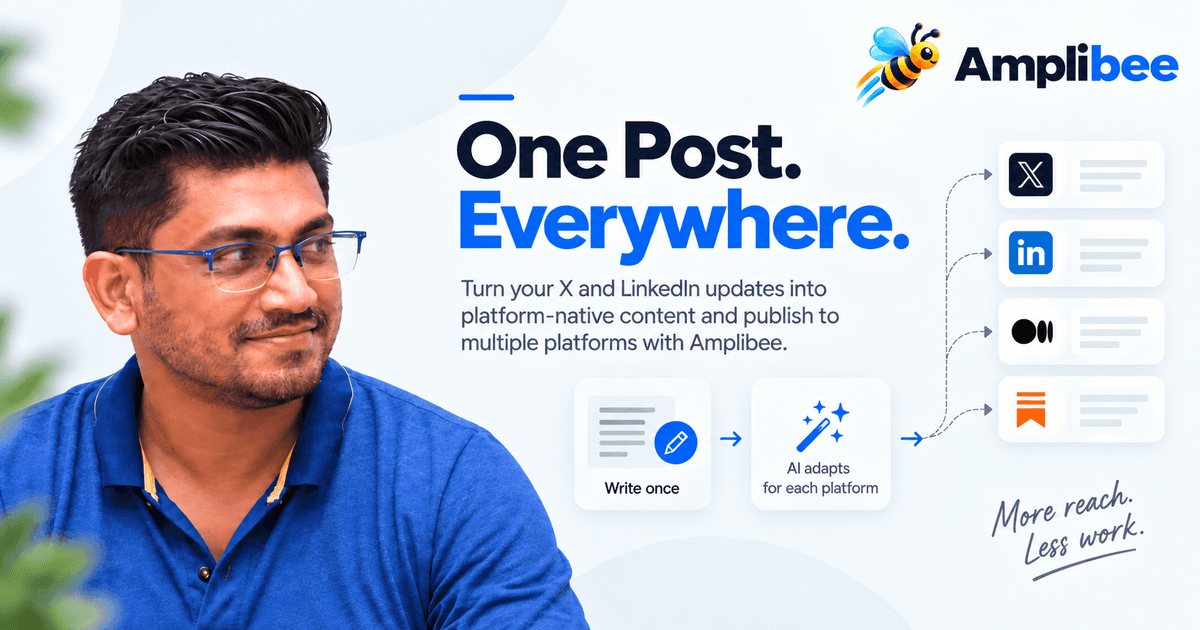
Growth
How to Automatically Post from X and LinkedIn to Multiple Platforms
Learn how to turn one post into platform-native content and automatically publish it across X, LinkedIn, and other social platforms with Amplibee.
Marketing
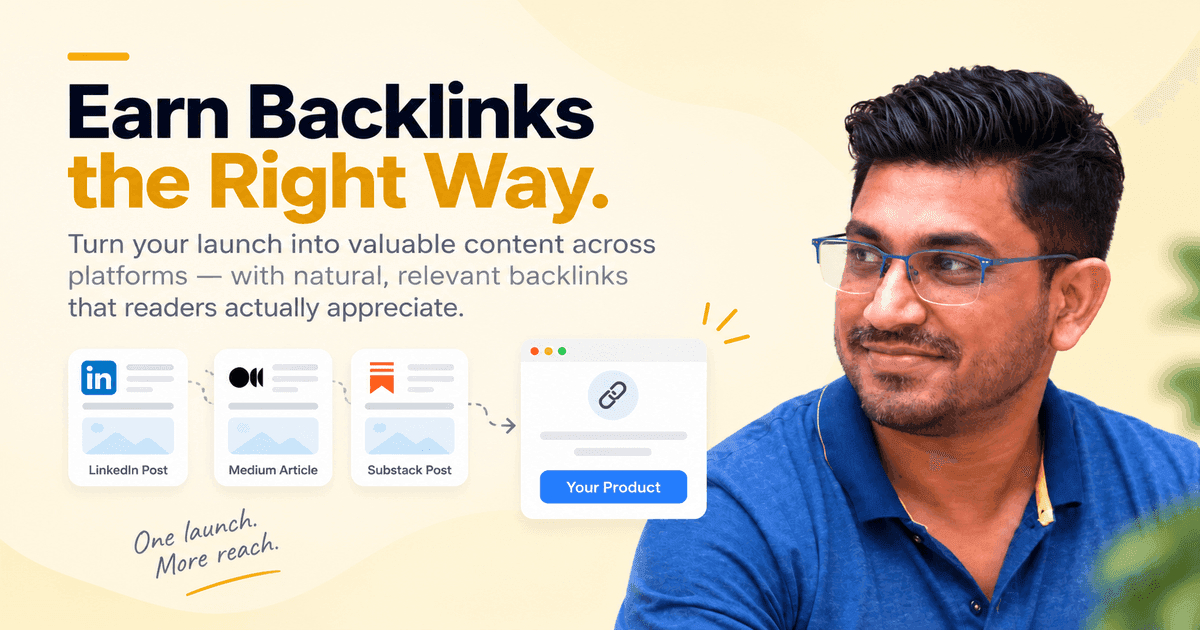
Backlinks without being spammy
Auto-generated content that links back to your launch only works if it reads like something a person actually wanted to write. Here's how we approach it.
Read our features
View all features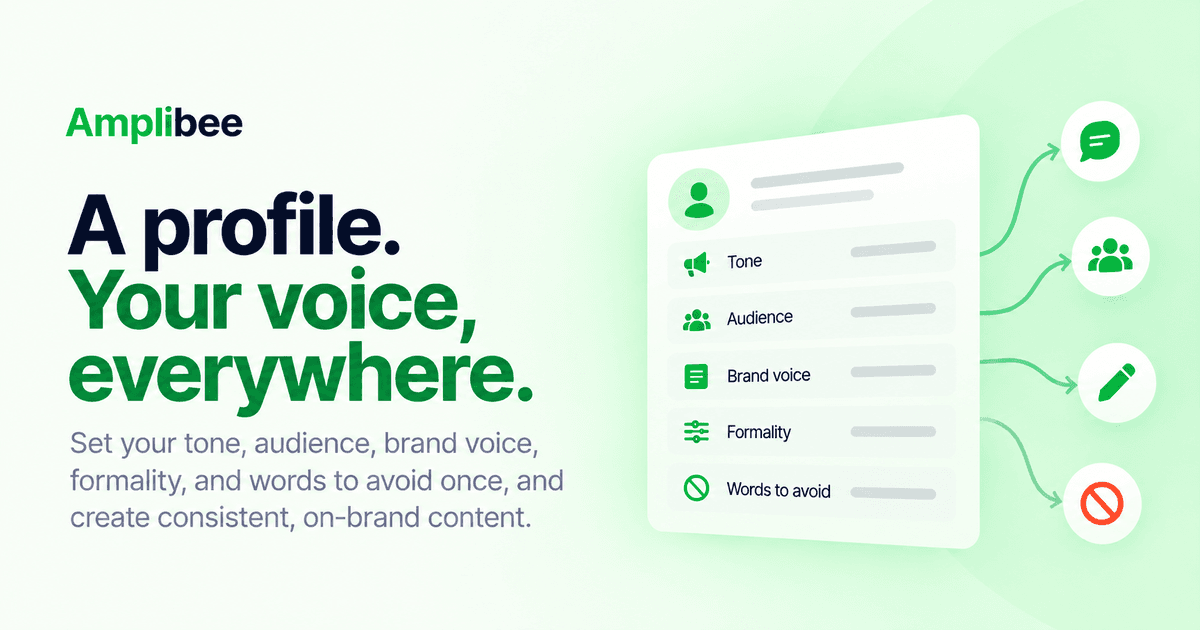
Feature
Content profiles
Set your tone, audience, brand voice, formality, and words to avoid once. Save it as a reusable profile so every generated post sounds like you, not a generic AI voice.
Feature
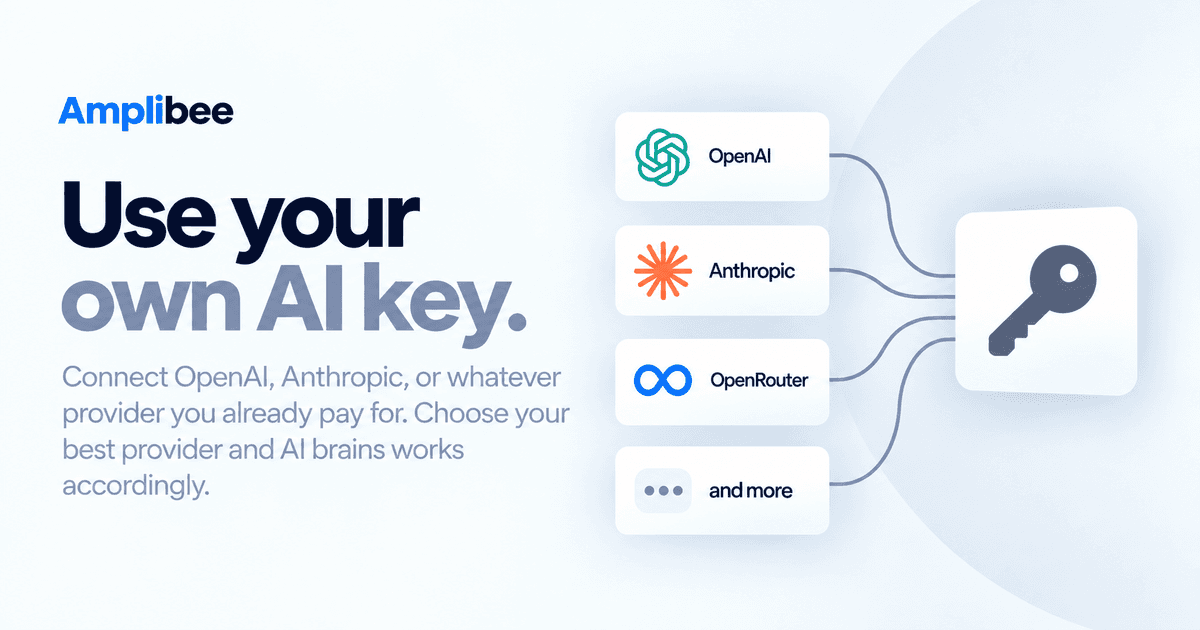
Bring your own AI key
Connect OpenAI, Anthropic, or OpenRouter with your own API key. Keys are encrypted at rest and never touch the browser. Pick a default provider and model per profile.