
Why Fake Engagement Kills Your Launch (and What to Do Instead)
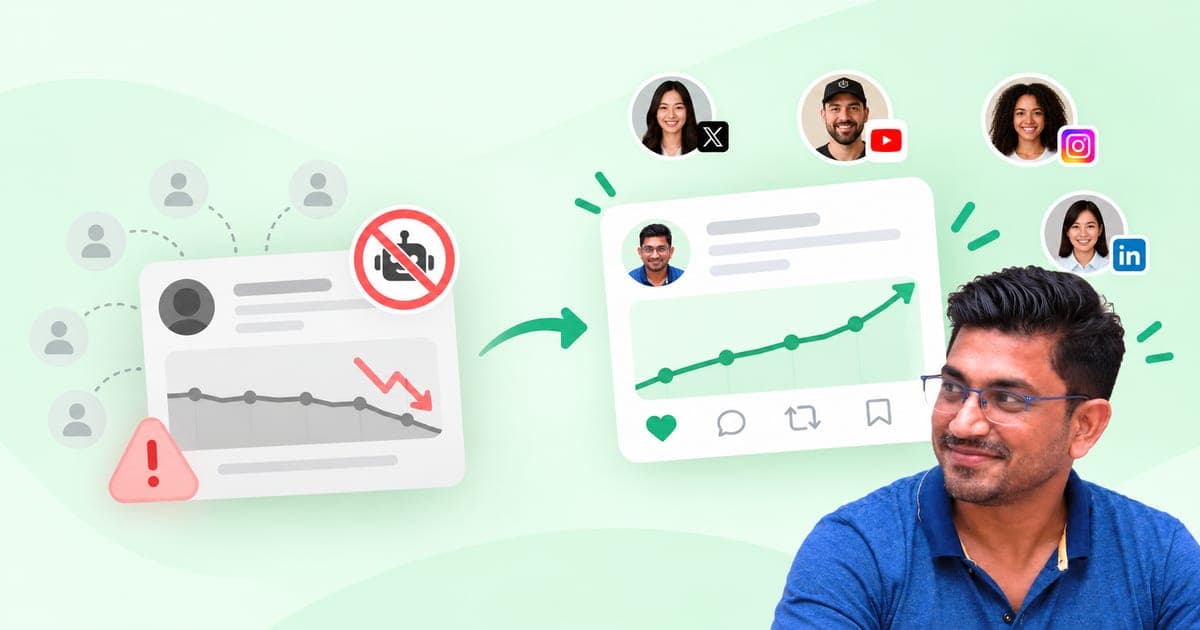
Bought followers, vote manipulation, and bot engagement get detected, erode trust, and trigger algorithmic penalties. Here's what genuine influencer marketing does differently.
The short answer: fake engagement — bought followers, upvote rings, bot comments, purchased stars — gets detected by the platforms hosting it, gets purged after the fact rather than before, and permanently damages the trust of the real audience who eventually notices. Genuine influencer marketing avoids all three failure modes because there's no manufactured number to detect or purge — just real people telling their real audience about something worth telling them about, which is the entire model Amplibee is built around.
Every founder under launch pressure has seen the ad: a few hundred dollars for a thousand followers, upvotes, or stars, delivered within 24 hours. It's tempting precisely because the pressure is real and the offer looks like a shortcut through it. This is a breakdown of why that shortcut fails on every axis that actually matters, and what to do with the same budget and urgency instead.
Failure mode 1: platform detection
Every major platform — X, LinkedIn, YouTube, Instagram, GitHub, Product Hunt — runs abuse detection specifically built to catch inorganic engagement patterns: accounts created in bulk, engagement spiking in a tight time window, follower graphs with no organic structure, comment text that repeats across unrelated posts. This isn't a hypothetical risk; it's a standing, adversarial system actively looking for exactly what a bought-engagement service produces.
The failure isn't always immediate. Bulk purges often happen weeks or months later, which means the damage lands at the worst possible time — after you've built plans, reporting, or investor updates around a number that's about to disappear.
- X/Twitter actively removes bot and spam accounts in periodic sweeps, which can visibly drop a follower count overnight.
- GitHub flags and removes inorganic stars from accounts showing bulk-creation and no-activity patterns — sometimes well after the fact.
- Product Hunt has a well-documented history of removing manipulated votes and penalizing products caught coordinating them, including removal from leaderboards.
- YouTube and Instagram both algorithmically deprioritize accounts with engagement-to-follower ratios that don't match organic patterns, which can suppress reach even without an explicit ban.
Failure mode 2: audience trust erosion
Detection is a platform problem. Trust erosion is a people problem, and it's worse, because it doesn't reverse when you stop. Audiences — developers evaluating a library, consumers reading reviews, investors looking at traction — have gotten good at spotting the signature of manufactured engagement: round numbers, engagement that doesn't match comment quality, a launch with thousands of upvotes and zero substantive discussion.
Once a specific instance of fake engagement gets called out publicly — and in tight-knit communities like open source or indie SaaS, it usually does — it doesn't just cost that number. It recolors every other number the project has ever shown, retroactively. A skeptical audience doesn't say "well, most of it was real" — they assume the worst about everything else too.
The reason bought engagement feels like a shortcut is the same reason it's not one: it skips the part where a real person decides your product was worth telling someone about. That decision is the entire value. There's no way to fake it that doesn't also fake the reason it mattered.
Failure mode 3: algorithmic penalties
Beyond outright detection and removal, most platform algorithms use engagement-quality signals — not just engagement volume — to decide what to amplify further. Content that gets a burst of low-quality engagement (bot likes, template comments, follows from accounts with no history) often gets throttled rather than boosted, because the platform's own model reads the pattern as spam regardless of intent.
This means fake engagement doesn't just risk a future purge — it can actively suppress the real reach you'd otherwise have gotten from the launch, at the exact moment reach matters most.
Failure mode 4: brand damage that outlasts the campaign
The first three failure modes are mostly reversible in the sense that a project can recover technically — a purged follower count can be rebuilt, an algorithmic penalty can lift. Brand damage is the one that lingers, because it lives in people's memory of your name, not in a platform's database. A founder or maintainer caught buying engagement once carries that association into their next product, their next repo, their next launch — long after the specific numbers in question have been forgotten.
What genuine influencer marketing does instead
The alternative isn't "do nothing and hope for organic reach." It's routing the same budget and urgency toward real people with real audiences who choose, genuinely, to tell their followers about your product — see how to run an influencer campaign for a SaaS launch for the practical steps. The mechanism looks similar on the surface (someone posts about your product, people see it, some of them act) but every property that made bought engagement fail is the exact property genuine influencer marketing gets right.
| Bought engagement | Genuine influencer marketing | |
|---|---|---|
| Platform detection risk | High — actively targeted by abuse systems | None — every action is a real account, real activity |
| Audience trust if discovered | Destroyed, retroactively | N/A — nothing to discover, it's genuinely their opinion |
| Algorithmic treatment | Often throttled as spam | Treated as normal organic engagement |
| Durability | Purged eventually, often without warning | Persists — a real post stays real |
| Attribution | None — a number with no source | Per-influencer tracked links show what worked |
This is the core design decision behind Amplibee: every profile in the network is a real, opted-in influencer or creator, every campaign is matched by genuine niche fit, the AI drafts talking points, never a script so what gets posted stays in the influencer's real voice, and every deliverable is reviewed before it counts — the same discipline that keeps bots and templated spam out is what keeps the resulting engagement genuinely worth having.
If you've already used bought engagement
If a past launch leaned on a star-farm, a follower package, or an upvote ring, the fix isn't panic — it's redirecting forward. Stop adding to the inflated number, let organic and genuine activity become a larger share of the total over time, and be straightforward if anyone asks rather than compounding the original mistake with a defensive explanation. The audience you actually want going forward cares far more about what you do next than about a number from a launch they've already forgotten.
Get the next post
Tactics like this one, sent when we publish — no spam, unsubscribe anytime.
Frequently asked questions
Do platforms actually detect bought followers or engagement?
Yes. X, GitHub, Product Hunt, YouTube, and Instagram all run abuse-detection systems that flag inorganic patterns — bulk account creation, engagement spikes in tight time windows, follower graphs with no organic structure — and remove the resulting engagement, sometimes in delayed bulk purges.
Can bought engagement hurt my reach even if it isn't removed?
Yes. Many platform algorithms weigh engagement quality, not just volume, when deciding what to amplify. A burst of low-quality engagement can get content throttled as suspected spam rather than boosted, suppressing the real reach a launch would otherwise have gotten.
Is it worth the risk to buy engagement just for a launch day boost?
No — the risk isn't limited to launch day. Purges often happen weeks or months later, and if discovered, the trust damage extends backward to every other number the project has shown, not just the inflated one.
What's the genuine alternative to buying followers or stars?
Influencer marketing matched by real niche fit — real creators with real audiences who genuinely choose to post about your product in their own voice, with every deliverable reviewed before it counts toward results.
How is Amplibee different from a service that sells followers or stars?
Amplibee has no mechanism to sell engagement directly — it matches product owners with real, opted-in influencers whose audience fits the campaign's niche, and reviews every submitted deliverable before it counts, so results reflect genuine posts to genuine audiences.
What should I do if a past launch already used bought engagement?
Stop adding to it, let genuine activity become a larger share of your numbers going forward, and be straightforward if asked rather than compounding it with a defensive explanation — audiences care more about what you do next than a number from a launch they've likely already forgotten.
Related posts
View all posts
Growth
How to Get Genuine GitHub Stars Through Influencer Marketing (Not Bots)
Bought stars get purged and erode trust the moment anyone checks. Here's the real playbook for earning GitHub stars that actually mean something.
Product
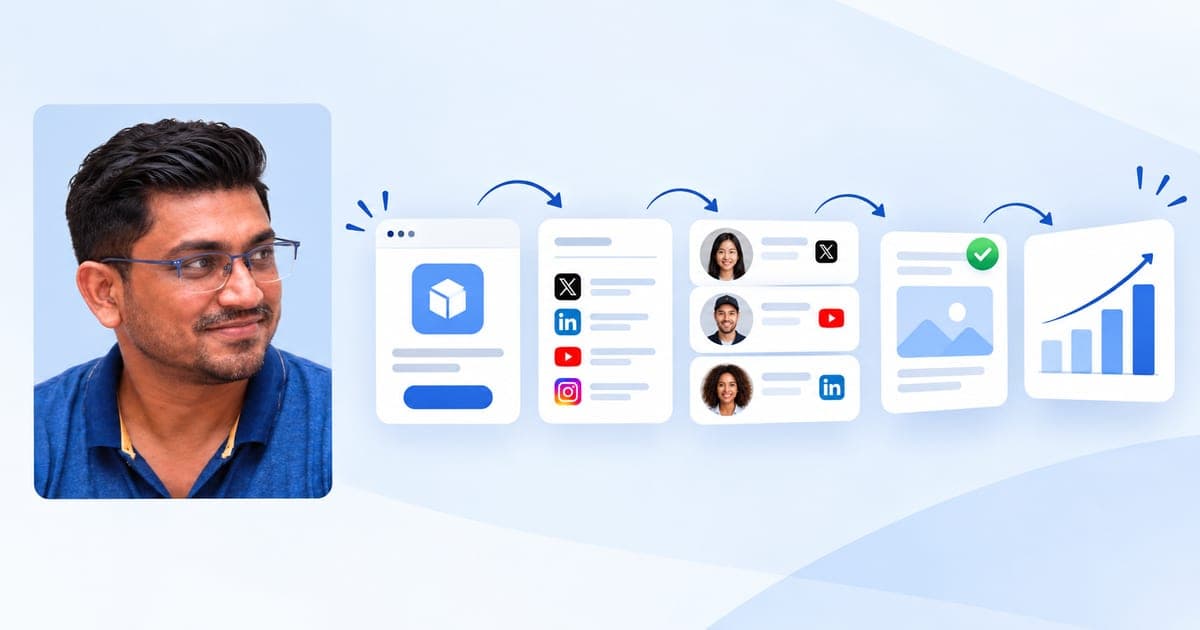
How to Run an Influencer Marketing Campaign for Your SaaS Launch
A practical, step-by-step guide to briefing a campaign, matching with real influencers, reviewing deliverables, and tracking results on Amplibee.
Read our features
View all features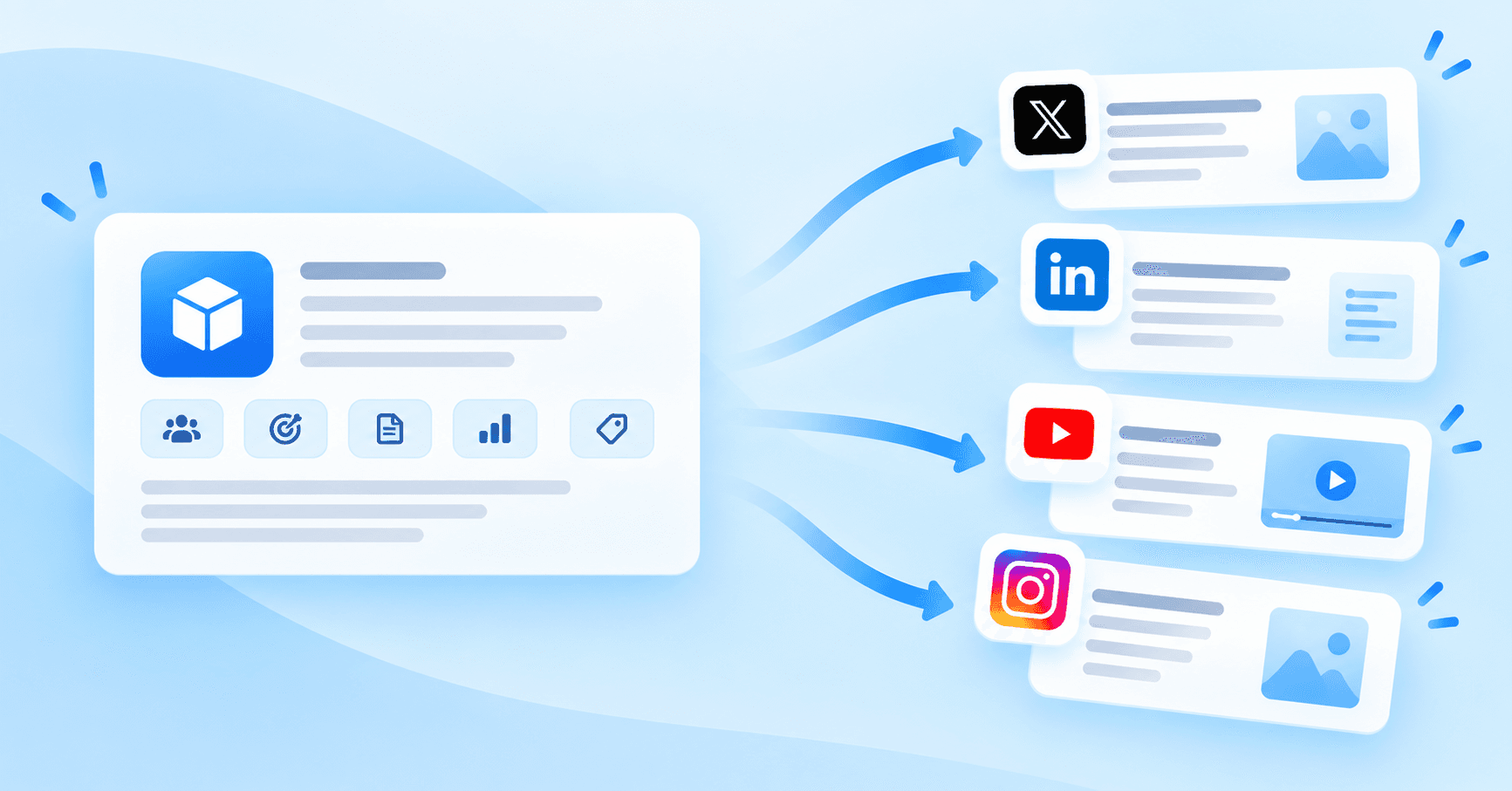
Feature
Product profile
Save your product's voice, audience, and key facts once. Every campaign brief you generate afterward reuses it, instead of you re-explaining what you're promoting each time.
Feature
Influencer network
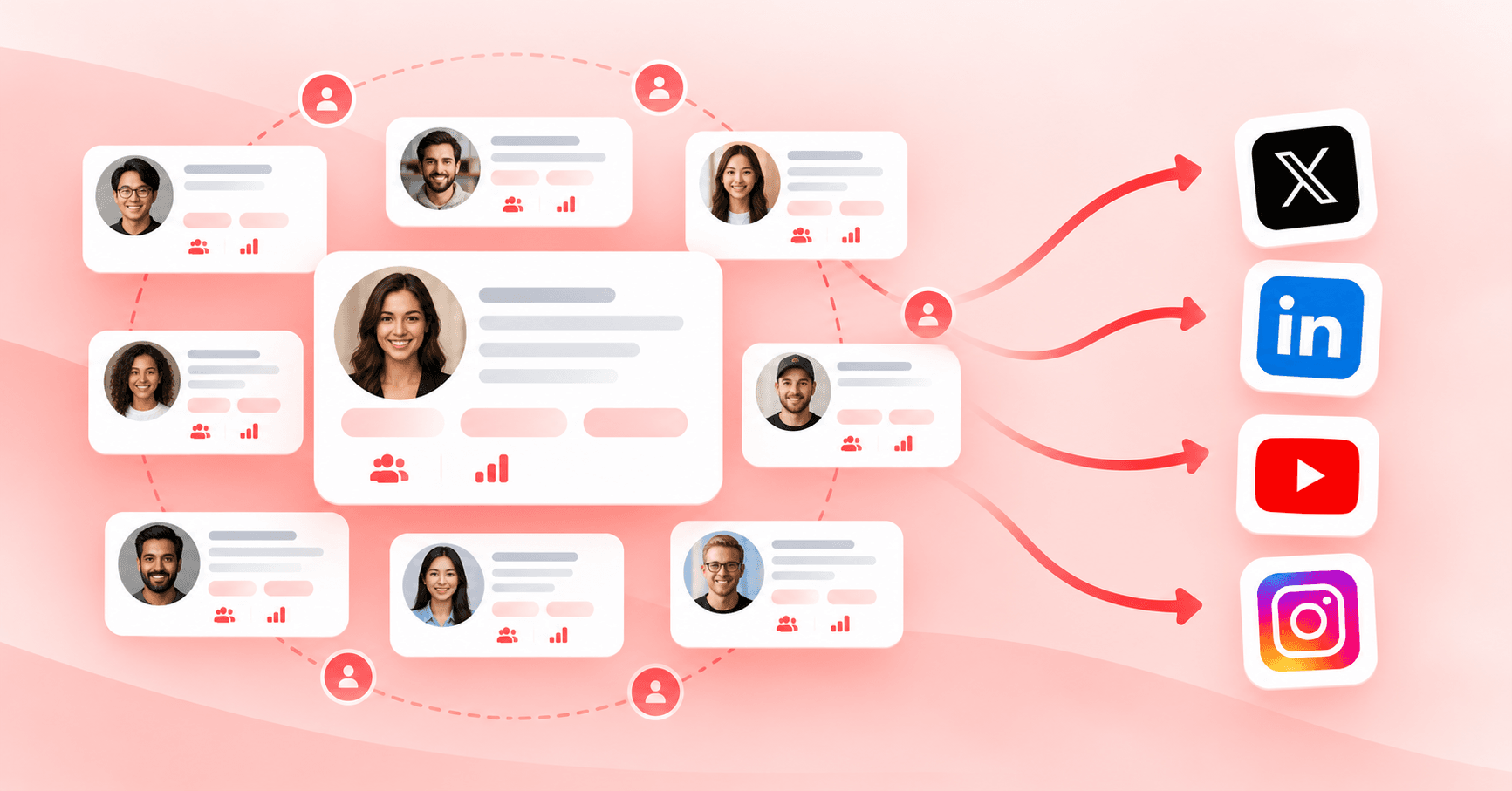
Browse real influencers and creators on X, LinkedIn, YouTube, and Instagram by niche and audience size. Every profile is opted in and posts to their own genuine audience.