 Amplibee
Blog
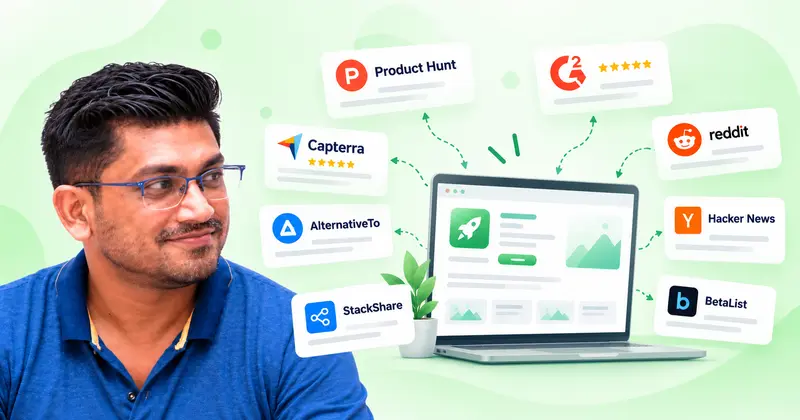
Where to list a new SaaS
Which directories and communities are worth an hour of a founder's time, and how to fill in each listing.

Someone asks ChatGPT for the best tool for a job, and it names a few products, but your product was not in the suggestion. You can make your product easier to find, confirm and trust, which is what it works from.
The short answer: ChatGPT recommends products it can find and confirm. It works from what the model learned in training and from pages it searches for when it answers. To be named, let its crawlers in, say plainly what your product is, get listed where buyers look, earn mentions from real people and answer the questions buyers ask. Each step reduces the odds that ChatGPT leaves you out.
No vendor publishes its full recipe, so treat any exact formula as a guess. Two sources are documented, and each asks something different of you.
| Where the answer comes from | What it means for you |
|---|---|
| Training: what the model learned before it was released | Be described clearly and mentioned widely, over time |
| Search: pages fetched at the moment of the question | Be indexed, crawlable and clear on the page itself |
Both sources favour products that are easy to find and that other pages confirm. Everything below comes from that.
If a crawler cannot read your site, it cannot use it. Check your robots.txt and allow the ones you want.
Check each vendor's current documentation first, because names and behaviour change.
User-agent: OAI-SearchBot
Allow: /

User-agent: GPTBot
Allow: /

Sitemap: https://example.com/sitemap.xmlPut one sentence on your homepage that says what the product is and who it is for. Assistants quote plain statements.
Directories and review sites are pages that name your product and link to it. They give an assistant a second place to confirm you exist.
Amplibee checks directories for your listing and gives you the submission page for each one that is missing.
Pages written by other people are the strongest confirmation. Give them something specific to mention.
Buyers ask assistants for comparisons and alternatives. Pages that answer those questions directly are easy to use.
Shortcuts tend to be ignored or to backfire.
Check once a month, in the same way each time, and compare.
On plans that include it, Amplibee AI visibility tracking asks these questions every day across Google Search, ChatGPT, Perplexity and Gemini and shows whether you are named.
There is no paid spot in ChatGPT's answers. What improves your odds is making your product easier to find, confirm and trust. Be wary of anyone who sells a placement.
It is a proposal for a plain text file at /llms.txt that describes your site for language models. It is not a formal standard and support varies by vendor. It costs little to publish, but do not expect it to change what assistants say.
There is no fixed time. Changes show up as your pages are indexed and as mentions and listings build up. Measure monthly and look at the trend.
If you want to be cited and are comfortable with your content being used for training, yes. You can allow OAI-SearchBot, which is for search results, and decide on GPTBot separately.
No. Answers vary between chats and over time, which is why you should repeat a question and look at the pattern.
Which directories and communities are worth an hour of a founder's time, and how to fill in each listing.
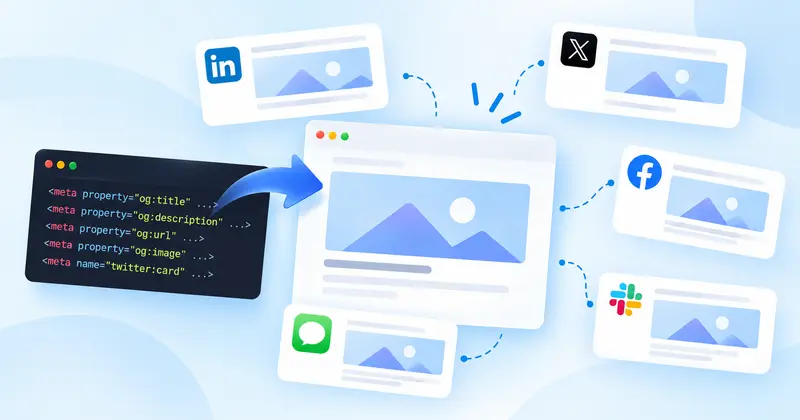
The OG image is the picture that appears when someone shares your link. What size it should be, which tags to set, and how to test it.
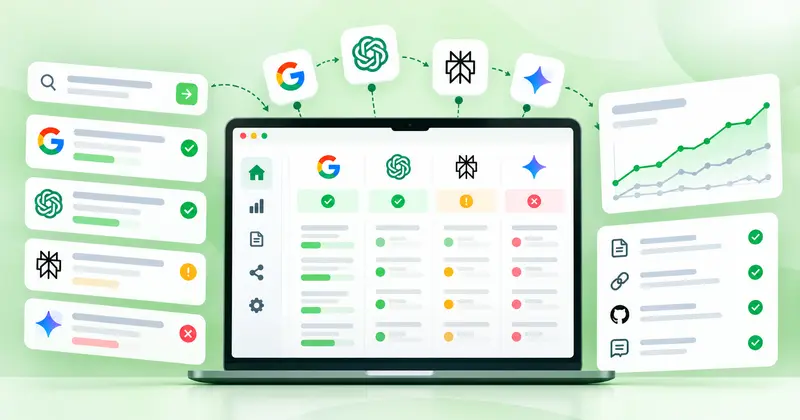
Buyers now ask assistants which product to pick. Amplibee tracks the same questions across Google Search, ChatGPT, Perplexity and Gemini, and shows the gaps that keep a product from being named.
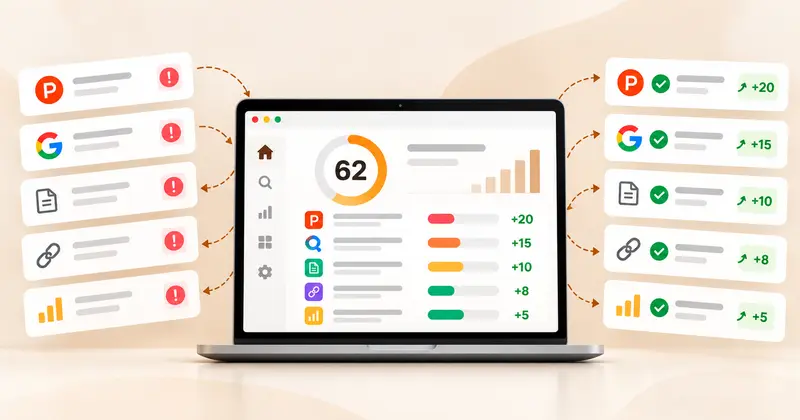
Every gap Amplibee finds shows what is wrong and the points your score would gain if you fixed it. The plan puts the biggest gain first.
Compare with your competitors and improve your brand visibility.
Submit your product