 Amplibee
Blog
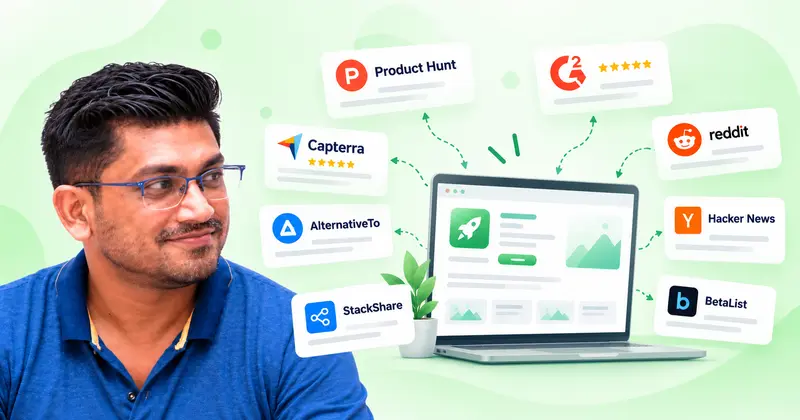
Where to list a new SaaS
Which directories and communities are worth an hour of a founder's time, and how to fill in each listing.

A launch is one day. Visibility is built by what you post before and after it. This guide shows what to put on each platform and how to plan it so you keep going.
Post four kinds of things: what you shipped, a real example of a problem the product solved, what the product does and who it is for, and what you learned while building it. Every post should say something a reader can use and link to a page that shows the product.
Do not repeat one announcement on every platform. Change the opening and the length to fit each place, and keep the facts the same.
Short posts and threads that show something specific: a screenshot, a number, a before and after. A thread that walks through what you built and why is easier to share than a single link. Reply to people who ask about the problem you solve, and link only when it answers them.
Longer posts written by a person, not a page, that tell what happened: the problem, what you tried, what you shipped and what changed. Name the buyer you built it for. Put the link in a comment or at the end, and answer comments yourself.
Posts for communities and groups where your buyers already talk. Read each group's rules first, since many limit self-promotion. Share what you built and ask a real question. A post on your own page is a place for people to confirm you exist, not a way to reach strangers.
Prepare the listing before the day: a clear tagline, a short description, screenshots and a first comment that tells the story of why you built it. Plan the posts on other platforms around launch day so people have somewhere to go from each one. Product Hunt publishes a launch guide that covers the listing.
Answer every comment on the day yourself. Afterwards, keep the listing: it stays online as a page that names your product.
Plan a few weeks ahead. Aim for a small number of posts you can keep up, such as two or three a week across your platforms, and reuse one idea in a different shape for each. The Amplibee content planner gives you posts curated for your product and your application, one set for each platform, so you are not starting from a blank page.
It gives people and search engines more pages that name your product and link to it, and it gives you something to point mentions at. It improves your odds of ranking and of being named by an AI assistant. Treat it as one part of the plan, next to directory listings, mentions and the basics on your own site.
Which directories and communities are worth an hour of a founder's time, and how to fill in each listing.

How ChatGPT decides which products to recommend, and five steps that make yours more likely to be named: crawler access, a clear page, listings, mentions and answers to buyer questions.

Get posts for X, LinkedIn, Facebook and Product Hunt, and blog posts for your site, each curated for your product and your application, so your product shows up where buyers look.
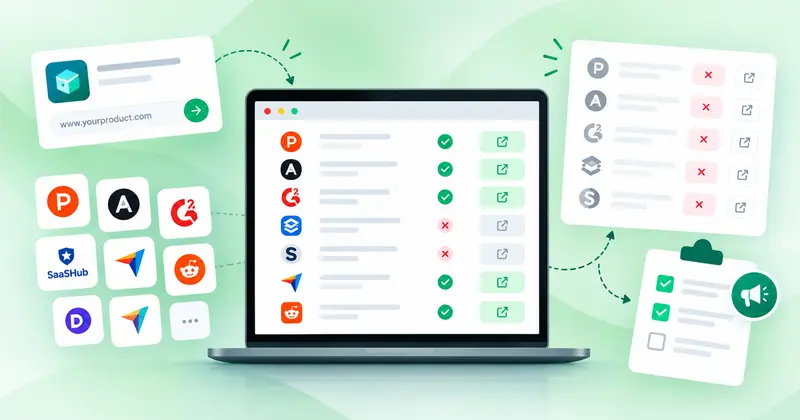
Amplibee checks the directories that matter for your listing and turns the missing ones into a launch plan, with a submission page for each. Submit yourself, or let us do it on a paid plan.
Compare with your competitors and improve your brand visibility.
Submit your product